
8 min read
Online Check-in and Guest IDs in Italy: GDPR, Auto-Fill and Safe Deletion Guide
Practical guide for Italian hosts, B&Bs, and property managers on online check-in, automatic ID reading, Art. 109 TULPS visual verification, and GDPR-compliant deletion.
Online check-in lets vacation rentals, B&Bs, guesthouses, and hotels in Italy collect guest details before arrival, but it must comply with both GDPR and Article 109 of the Italian TULPS. Italian law requires hosts to identify every guest and report their details to the State Police, yet prohibits keeping photocopies, scans, or photos of identity documents once identification and reporting are complete. A compliant workflow combines automatic document reading, live visual verification on arrival, and immediate deletion of ID images.
Key Facts: Guest IDs, Online Check-in, and GDPR in Italy
- Identify yes, archive no: Article 109 TULPS requires checking a valid ID and reporting guest details via Alloggiati Web, never storing ID copies or photos.
- 5-year retention applies only to receipts: keep official Alloggiati Web transmission receipts for 5 years; delete ID photos immediately after verification and filing.
- Stop using WhatsApp and phone galleries: collecting passports in chat apps or saving them on personal phones exposes hosts to GDPR fines and identity theft liability.
- Visual verification confirmed: Italy's Council of State (ruling no. 9101 of 21 November 2025) confirmed hosts must visually verify guests on arrival, in person or via real-time video.
- Fewer errors with smart scanning: automatic document reading pre-fills guest fields accurately and reduces Police portal rejections.
What the Italian Data Protection Authority Says (GDPR and Art. 109 TULPS)
Public security obligations and European privacy law work together with clear boundaries. Article 109 of the Consolidated Public Security Law (TULPS) requires every accommodation provider—including short-term rentals—to host only guests with a valid ID and report their details to the State Police (for deadlines and filing rules, read our complete Alloggiati Web guide for hosts and property managers).
However, GDPR Article 5 enforces data minimization and storage limitation: you may process only the data strictly needed for this legal duty and only for the time required to fulfill it. Following summer 2025 data breaches—when tens of thousands of passport and ID scans stolen from Italian hotel archives appeared on the Dark Web—the Italian Data Protection Authority (Garante Privacy) issued its 13 August 2025 warning, confirming that no property may retain digital or paper copies of guest IDs after identification and Police reporting.
Alloggiati Web Receipts vs. ID Photos: What to Keep and What to Delete
Many hosts confuse proof of legal compliance with a copy of the guest's passport. Keeping these two items strictly separate prevents most privacy violations—even for repeat guests, keeping an ID photo on file for future stays is unlawful.
Keep for 5 years: Alloggiati Web receipts
Store the official receipt issued by the State Police portal proving date, guest count, and successful filing. It never contains—and must never be paired with—ID photos or scans.
Delete immediately: ID photos and copies
Permanently erase front and back ID photos, passport scans, paper photocopies, and chat attachments right after visual verification and Police reporting.
Why WhatsApp and Phone Galleries Put Your Property at Risk
Asking guests for a passport photo on WhatsApp or photographing IDs on a personal phone at check-in is one of the practices most criticized by the Data Protection Authority. Once an ID enters a chat app or smartphone gallery, images duplicate automatically to camera rolls and cloud backups, stay buried in old chats all season, and become a prime target for identity theft if the phone is lost, stolen, or breached.
Warning — GDPR fines and 72-hour breach rule: Leaving guest IDs in personal chats or galleries violates GDPR Articles 5 and 32. If a device is lost or compromised, hosts must file a mandatory 72-hour data breach notification to the Authority and affected guests, risking fines, compensation claims, and reputational damage.
Online Check-in and Visual Verification Under Art. 109 TULPS
Following the Ministry of the Interior's November 2024 circular and court appeals, Italy's Council of State settled the rule in ruling no. 9101 on 21 November 2025: online check-in is allowed, but blind, unverified self check-in is not. Collecting an ID photo remotely and automatically sending a keybox code without checking who physically enters does not comply with Article 109 TULPS.
A fully compliant arrival flow follows three steps:
- Collect details online in advance: before arrival, guests submit personal details and upload their ID in a protected portal, saving time and avoiding typos.
- Verify visually upon arrival: the host or delegate confirms the arriving guest matches the ID, either in person or remotely in real time via live video call or interactive smart video intercom.
- Confirm arrival and erase ID photos: once verified, confirm check-in, submit only structured guest data to Alloggiati Web within 24 hours (6 hours for one-night stays), and permanently delete the ID images.
Practical Benefits of Automatic Document Reading
Pairing online pre-check-in with automatic document reading improves accuracy and speeds up every arrival.
Zero transcription typos
Smart scanning pre-fills foreign surnames, date formats, and alphanumeric document numbers accurately, reducing Alloggiati Web rejections.
Instant photo quality checks
A guided flow detects blurry, cropped, or flash-glared photos and missing portrait faces in real time, prompting an immediate retake.
Faster, warmer welcomes
Guests never wait with suitcases while you type five passports by hand; a brief visual check completes the arrival in seconds.
Stronger guest trust
A dedicated portal explaining Italian legal rules and automatic photo deletion builds far more confidence than a WhatsApp request.
How HostieBoard Turns Online Check-in Into a GDPR-Compliant Workflow
Picture a busy Saturday afternoon with six arrivals between 2:00 PM and 5:00 PM. Instead of juggling twenty passport photos across WhatsApp chats, chasing blurry retakes, and worrying about forgotten files on your phone, HostieBoard handles the entire flow in one protected place:
- Dedicated Guest Portal with no app required: each booking gets a personal link sent automatically via scheduled WhatsApp or email messages.
- Guided step-by-step check-in: guests share arrival and departure times, choose bed setup (double, single, or crib when available, automatically alerting your cleaning team), and add billing details when an invoice is needed.
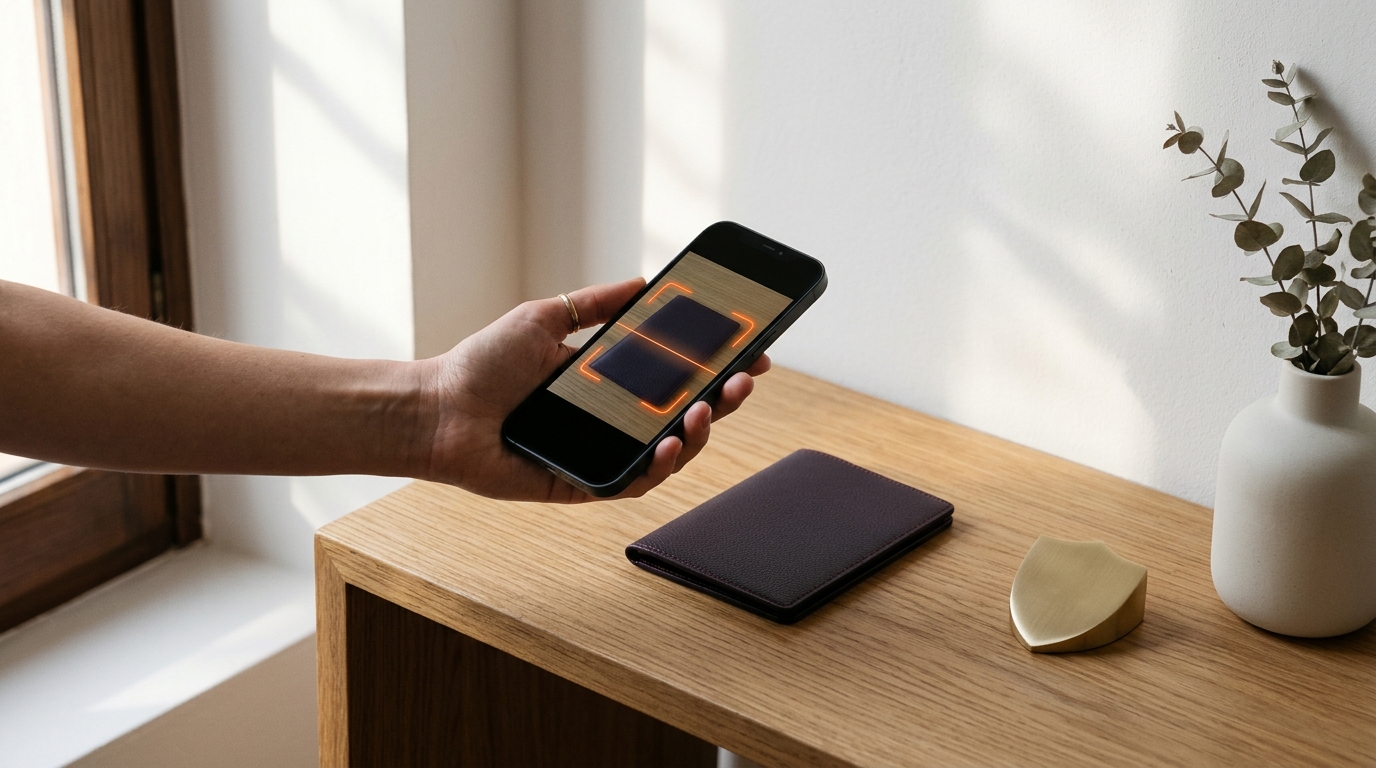
- Automatic document reading with quality checks: guests select ID card, passport, or driving license and snap a photo. The system verifies sharpness, framing, glare, and portrait visibility, then auto-fills name, gender, birth date and place, nationality, document number and issuing authority, Italian tax code if present, and residence address.
- Manual fallback with host alert: guests with camera issues can enter details manually; HostieBoard alerts you immediately to inspect the physical ID on arrival.
- Built-in TULPS and GDPR notice: right on the upload screen, guests see a clear explanation of Italian legal duties (Art. 109 TULPS, Alloggiati Web, ISTAT) and privacy safeguards.
- Immediate, permanent photo deletion: images stay in a private, property-isolated area and, the exact moment you verify guests and confirm check-in, HostieBoard permanently deletes all front and back ID photos for that booking.
- Automated Alloggiati Web filing and access release: after a one-hour grace window for edits, structured guest data is sent automatically to Alloggiati Web while official receipts stay archived for 5 years. Access instructions and smart lock codes unlock only once check-in is complete.
Included from Hostie Lite: The Guest Portal with automatic document reading and GDPR-compliant deletion is included starting in Hostie Lite (from €12.99/month per unit, zero setup fees) as well as Hostie Plus. Explore every tool on the HostieBoard features page or calculate your rate on the plans and pricing page.
Frequently asked questions
Can I keep a copy of a guest's ID as protection against property damage?
No. The Italian Data Protection Authority confirmed that collecting IDs is justified solely by Article 109 TULPS public security duties. Keeping copies for potential damage claims violates GDPR; use security deposits or booking channel protection instead.
How long must I keep Alloggiati Web receipts?
Official receipts issued by the State Police Alloggiati Web portal must be stored for 5 years. This requirement applies exclusively to transmission receipts and never authorizes keeping photos or scans of guest IDs.
Is it legal to ask guests to send their ID photo on WhatsApp before check-in?
Collecting and leaving ID photos in WhatsApp chats or phone galleries exposes hosts to GDPR breaches due to weak access control and lack of systematic deletion. The Authority has urged B&Bs and short-term rentals to switch to protected workflows that erase images right after verification.
Does online check-in replace visual identification of the guest on arrival?
No. Under Italy's Council of State ruling no. 9101 of 21 November 2025, online check-in gathers data in advance, but hosts must still visually verify on arrival that the guest matches the ID, either in person or via a real-time video connection.
What happens if a guest cannot or prefers not to upload an ID photo online?
A proper online check-in flow always offers manual data entry for guests facing technical issues or preferring not to photograph their ID. The host receives an alert and verifies the original physical document upon arrival.
Which details are automatically extracted from an ID document during online check-in?
Automatic document reading extracts the fields needed for Italian compliance and stay management: first name, last name, gender, date and place of birth, nationality, document type and number, issuing country and authority, tax code if shown, and residence address. Guests always review the summary before submitting.
More from the Hostie blog
7 min read
Automated Guest Messaging Templates: Practical Guide for Vacation Rentals, B&Bs & Hotels
Learn how to structure automated guest message templates for every stay stage, choose channels across OTA chat, email, and WhatsApp Business, and set schedules and multilingual variables.
Read the article
8 min read
Italy's Tourist Tax (Tassa di Soggiorno): Calculation, Reporting, and Automated Online Collection
How to calculate, collect, and report Italy's tourist tax without mistakes: legal liability, exemptions, the June 30 filing, and automated online collection via Stripe and PayPal.
Read the article
7 min read
Italian Online Commercial Receipts (AdE) for Hospitality: Complete Guide Without a Cash Register
A practical guide to Italy's Revenue Agency (AdE) online commercial receipts for B&Bs, vacation rentals, and hotels: skip the physical cash register, cut maintenance costs, and automate daily tax receipts.
Read the article